Currently browsing category

News

What do you think of remote appointments?

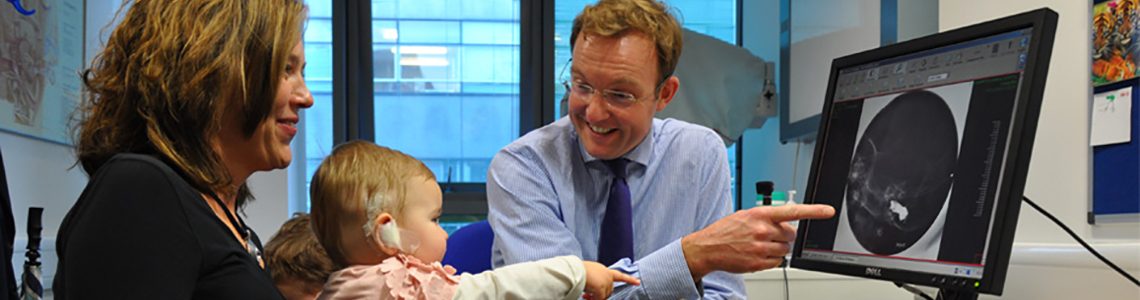
Here at USAIS we do offer remote appointments online, as well as remote hearing checks through an app and where appropriate, outreach visits too.  By a good country mile, most  appointments take place in clinic either at USAIS or at another clinical venue. Our Professor Helen Cullington and her research colleague, Angela Larkin, have written this article about the dynamics in remote appointments, which you will possibly find interesting. Continue reading →

Disruption on the university site

Our patients travel from far and wide to reach the University of Southampton Auditory Implant Service (USAIS).  We are a regional service so patients come from as far away as Sussex, Berkshire and Dorset and will sometimes encounter delays to their journeys.  During the last month there have been water repair works on the University site and visitors arriving at the University Road end have had to drive through the university site and out the other side. Continue reading →

The Osia bone conduction hearing implant

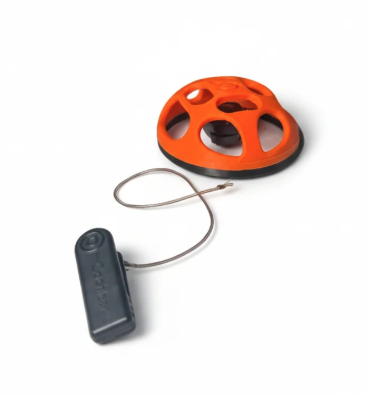
As well as Cochlear Implants, the Auditory Implant Service also helps patients who need a Bone Conduction Implant.  The Osia is one of the bone conduction hearing implants offered by the Service.  This device has been available for five years which mean it has been well and truly tried and test.  Cochlear have hosted this presentation for professionals about the Osia, which is available on their website.  However, I am sharing this here as well. Continue reading →

MEDEL Employee shares a hearing journey

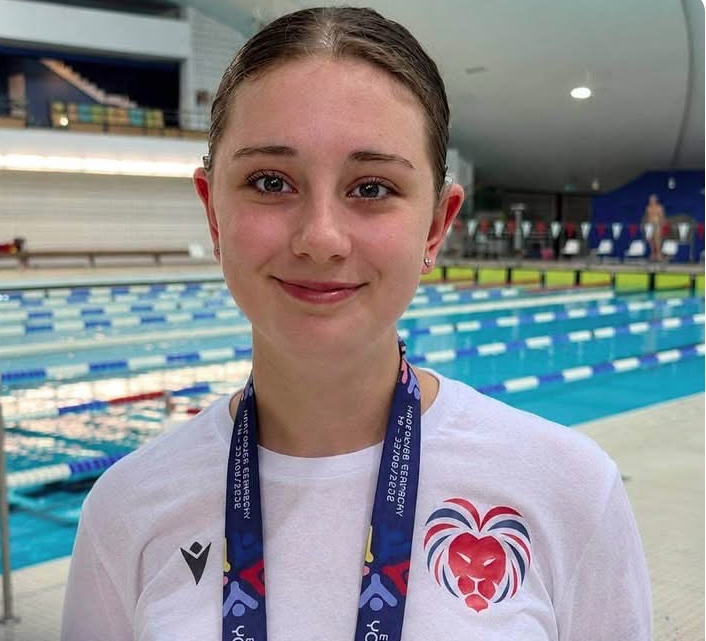
Nandini is a MED-EL employee. Her appearance forms part of company marketing reflecting her personal journey with hearing loss. The content does not represent clinical advice. For questions about hearing loss or cochlear implantation, please consult your healthcare professional. Her story provides an authentic perspective that can help raise awareness, educate prospective candidates and their families, and demonstrate the life-changing impact of hearing technology. Continue reading →

Research into remote online testing and support for patients

New research article by Helen Cullington and her former MSc student Sajitha Sardar Sheriff Audiologists in the UK see clear benefits in using remote (telehealth) appointments to support adults with cochlear implants, including greater convenience for patients. However, these tools are not used as regularly as they could be because of frequent technical problems and a belief that in‑person care is still the “gold standard. Continue reading →

Rehabilitation: Tracking early development in children with hearing loss

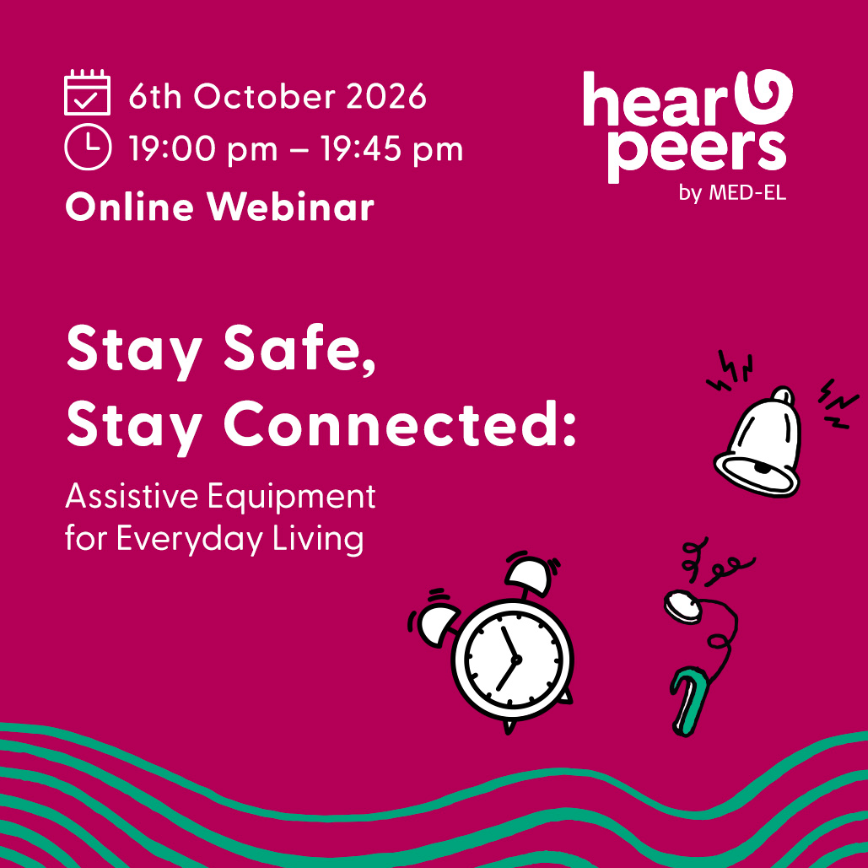
MEDEL will be hosting this online webinar on 18th July 2026. It will help you to understand your child's development journey. Caring for a child with hearing loss can bring many questions, especially when it comes to development and what progress may look like over time. It is natural to wonder whether your child is developing as expected, what milestones to look for, and how best to support them along the way. Continue reading →

Recruiting – Administrative Officer – Full Time Fixed Term for 15 months

Join the University of Southampton Auditory Implant Service (USAIS) as an Administrative Officer and make a meaningful impact on the lives of cochlear implant and auditory implant patients. We provide vital services for severely and profoundly deaf individuals across the south of England and the Channel Islands. USAIS is a nationally recognised centre of excellence, providing specialist assessment, surgical intervention, and lifelong support for individuals with auditory implants. Continue reading →

ALL_EARS@UoS Young People’s Advisory Group

We have set up an ALL_EARS@UoS Young People’s Advisory Group. A young people’s advisory group (YPAG) is a group made up young people who are involved in research as partners, advising researchers. This does NOT mean taking part in a research project as a study participant, but it means working alongside researchers. Why? It is important to embed the voice of young people in research. Continue reading →